
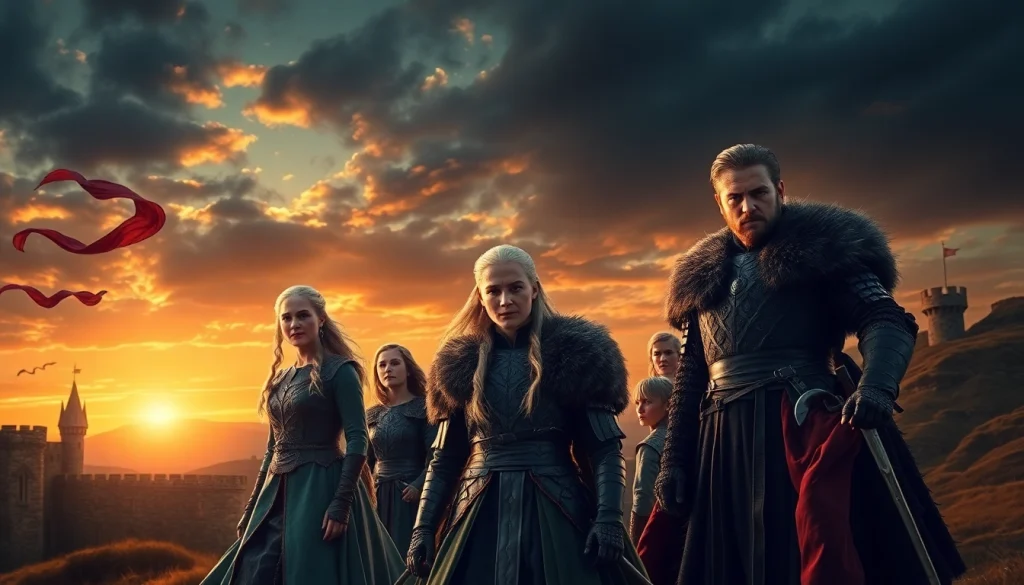
Exploring the Intriguing World of the Game of Thrones Cast
The game of thrones cast has left an indelible mark on television history, captivating audiences with their remarkable performances and complex character portrayals. This article will delve into the various layers of the cast members’ contributions, examining the intricate dynamics of their performances and how these elements greatly influenced the show’s overarching narrative and its ultimate success.
Overview of the Game of Thrones Cast
Introduction to Main Characters
At the heart of the epic saga are characters whose complexity and depth have engaged viewers across the globe. Key figures such as Daenerys Targaryen, Jon Snow, and Tyrion Lannister stand out not only for their compelling story arcs but also for their portrayal by extraordinarily talented actors. Emilia Clarke’s portrayal of Daenerys is a great starting point—she embodies both the vulnerability of a dragon princess and the fierce determination to reclaim her throne. Likewise, Kit Harington’s Jon Snow, characterized by his moral compass and sense of duty, is a beacon of bravery amidst chaos.
Peter Dinklage, who plays Tyrion Lannister, perfectly encapsulates the character’s sharp wit and intelligence while navigating the brutal landscape of Westeros. The multifaceted nature of these characters makes them unforgettable, and it is essential to examine how the actors shaped their portrayals through nuance and versatility.
Supporting Characters and Their Roles
While the main characters receive significant attention, the supporting roles in Game of Thrones enrich the narrative tapestry. Characters like Cersei Lannister, Sansa Stark, and Arya Stark, played by Lena Headey, Sophie Turner, and Maisie Williams respectively, add layers of intrigue, ambition, and treachery that keep viewers guessing. Each supporting role is meticulously crafted, making the show a feast for fans hungry for rich storylines.
Moreover, figures like Jaime Lannister and Sandor Clegane bring forth themes of redemption and loyalty, challenging the black-and-white morality traditionally found in fantasy narratives. Actors like Nikolaj Coster-Waldau and Rory McCann shine in their portrayals, showcasing the internal struggles of their characters while navigating the treacherous political landscapes of their world.
Best Performing Actors
The ensemble cast of Game of Thrones has garnered critical acclaim and numerous awards. For instance, Peter Dinklage won four Primetime Emmy Awards for his role as Tyrion, a testament to his extraordinary ability to elevate the script with his performance. Similarly, Emilia Clarke’s transformation from a timid girl to the powerful “Mother of Dragons” earns her a respected place among the industry’s top actresses. These actors have not only captured the hearts of fans but have also proven their prowess on various platforms, illustrating the cross-generational appeal of their characters.
Character Analysis of the Game of Thrones Cast
Key Character Arcs and Development
The development of character arcs in Game of Thrones is one of the show’s standout features. Jon Snow’s evolution from a perceived illegitimate son of Ned Stark into a respected leader and the true heir to the Iron Throne reflects themes of honor and sacrifice. His profound sense of duty encapsulates the struggles of leadership in a tumultuous kingdom.
Meanwhile, Daenerys Targaryen’s journey is emblematic of the dangerous lure of power. Her noble intentions often clash with ruthless decisions, raising questions about the cost of ambition and the fragility of morality in power dynamics. This duality showcases the brilliance of Clarke’s performance as she navigates the emotional and psychological complexities of her character’s destiny.
Memorable Quotes and Moments
Throughout the series, memorable quotes and poignant moments have cemented the cast’s legacy. Tyrion Lannister’s quips, such as “I drink and I know things,” serve as both comic relief and nuggets of wisdom, highlighting his character’s intellectual depth. Such quotes resonate beyond the narrative, finding their way into popular culture.
Significant moments, like the finale scene of Daenerys at King’s Landing, deliver emotional impact and complexity that underscore the brilliance of the writing as well as the actors’ interpretative skills. These scenes have sparked extensive discussions amongst fans and critics alike regarding the themes of justice, power, and tragedy.
Challenges in Portraying Complex Roles
Playing such multifaceted characters comes with challenges, as the actors must convey a wide range of emotions and moral dilemmas throughout the series. For instance, Clarke faced the challenge of presenting a character whom many view as both a liberator and a tyrant. This duality requires the ability to seamlessly shift between vulnerability and strength, demanding unmatched skill and emotional intelligence.
Additionally, physical demands placed on the cast during high-octane scenes significantly challenge their performance. Actors like Harington and Dinklage trained rigorously for battle scenes, showcasing their dedication to authenticity in every aspect of their character portrayals.
Behind the Scenes with the Game of Thrones Cast
Audition Stories and Casting Choices
Casting decisions in Game of Thrones were pivotal in shaping its identity. The audition stories shared by actors reveal their passion to embody these larger-than-life characters. For instance, Emilia Clarke was initially told she would not land the role of Daenerys; however, her determination led to an outstanding audition that ultimately won her the part, proving the importance of perseverance in the face of rejection.
The casting choices reflect a commitment to diversity in the characters’ representation. The authentic portrayals resonate with a global audience, and each actor brings their unique essence, making the ensemble rich and varied.
Rehearsal Experiences
Rehearsals for major scenes often included collective preparations that fostered teamwork among the cast members. Sharing the stage frequently led to stronger chemistry on-screen, particularly between primary characters like Jon Snow and Daenerys Targaryen. By fostering collaboration and trust, the actors could explore and develop their character dynamics more effectively.
This emphasis on ensemble and dialogue led to powerful performances that feel organic rather than scripted. Cast members often emphasize the bond they formed during productions, which significantly contributed to the authenticity of their portrayals.
Impact of the Cast on Series Success
The undeniable chemistry among the Game of Thrones cast contributed significantly to the show’s overwhelming success. The nuanced performances not only kept viewers engaged but also attracted a diverse fanbase eager to discuss plot twists and character motivations. Critics and audiences alike praised the depth of the characters and the actors’ ability to portray complex emotions.
Moreover, the dedication and commitment displayed by the cast in interpreting their roles respectfully and creatively highlighted how vital a talented ensemble is in elevating a television series to iconic status. Their influence is evident in how they’ve become emblematic of modern television storytelling.
Public Perceptions of the Game of Thrones Cast
Fan Reactions and Critiques
The reception of the Game of Thrones cast has fostered an active and engaged fan community. From social media discussions to fan art and conventions, the cast is continuously celebrated for their work. However, they are also subjected to critiques, particularly concerning character arcs and the series’ ending, reflecting fans’ deep emotional investments.
Such reactions underscore the players’ performances, as they are often mirrors for the audience’s feelings about the story. The connections forged through these performances have inspired a unique fellowship among fans who share their thoughts and supports for their favorite actors.
Impact on Actors’ Careers
For many actors in the Game of Thrones cast, the series acted as a springboard to new opportunities, enhancing their profiles in the industry. Kit Harington and Emilia Clarke have experienced increased interest in their work following the show’s fame, leading to various film and television projects.
Some actors, such as Maisie Williams and Sophie Turner, have become sought-after figures in popular culture, utilizing their platforms to advocate for important social issues. This shift highlights how impactful the Game of Thrones experience has been on their careers.
Conventions and Fan Interactions
With the enormous fanbase came conventions that allow fans to meet cast members, leading to memorable interactions that greatly enhance the viewing experience. These conventions often feature panels where actors discuss their roles and take questions, fostering a sense of community among fans.
Additionally, social media platforms have become essential for actor-fan interactions, enabling them to maintain strong connections. This transparency and accessibility can significantly boost the popularity of actors while magnifying the emotional resonance of their performances.
Legacy of the Game of Thrones Cast
Influence on Modern Television
The enduring legacy of the Game of Thrones cast is evident in how it has influenced modern television storytelling. The show’s commitment to character depth and unpredictable plot twists sets a new benchmark, steering the genre toward more intricate narratives. Other productions have drawn inspiration from the nuanced character development that the cast showcased throughout the series.
Innovations in character portrayal, especially with flawed heroes and morally ambiguous figures, have reshaped audience expectations. The willingness to explore raw and dramatic themes in fantasy storytelling continues to echo in contemporary shows trying to recapture that same magic.
Cultural Impact and Recognition
The cultural impact of the Game of Thrones cast reaches far beyond television boundaries. Their performances have become iconic, often referenced in various media, and sustaining lines, images, and moments from the show in public discourse. Awards and accolades have recognized their efforts, celebrating the cast not just as performers but as cultural icons.
The series has also inspired merchandise, spin-offs, and themed events, showcasing how the legacy of the characters, bolstered by the cast’s performances, continues to thrive long after the series finale.
Future Projects of Cast Members
As the legacy of Game of Thrones unfolds, many cast members actively pursue new projects that demonstrate their versatility and talent. From acting in films to taking on producer roles, they are cementing their place in Hollywood and beyond. This trajectory speaks volumes about the high regard in which they are held and the ambitious plans they have moving forward.
The possibility of reprising roles in prequels and spin-offs further emphasizes the lasting impression the Game of Thrones cast has made. These projects not only satisfy the demand for more narratives in the franchise but also allow fans to see their beloved characters in a new light.